


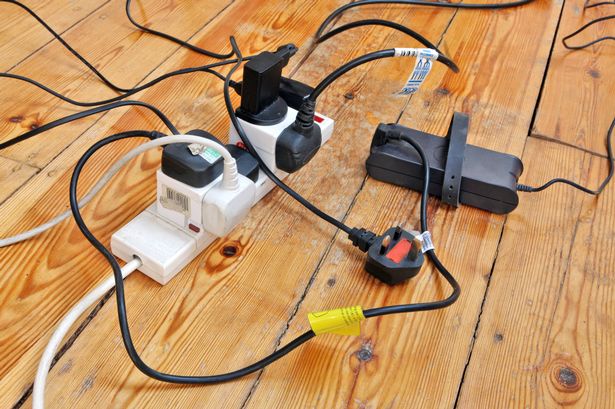
An electrical expert said it was dangerous to do so
An electrical expert has warned about three common household appliances that should never be plugged into extension leads due to fire risks. Charanjit Mannu, director at Elec Training, said many house fires started each year because people connected high-powered appliances to extension leads that can’t handle the load.
“The statistics are alarming, we attend numerous callouts where extension leads have caused fires simply because people don’t understand which appliances are too powerful for them,” he said.
Mr Mannu explained that kettles, heaters and toasters top the list of appliances that should always be plugged directly into wall sockets. “These three items draw massive amounts of current – far more than most extension leads can safely handle. A typical kettle uses around 3000 watts, electric heaters can use 3000 watts or more, and toasters typically use 800-1500 watts,” he said.
The Wolverhampton-based electrical expert added that these high-powered devices can cause extension leads to overheat rapidly.
“When extension leads overheat, the plastic casing can melt and ignite surrounding materials. Many people make things worse by coiling extension leads while in use, which concentrates the heat in one area,” Mr Mannu explained. He said that the risks increase substantially when multiple high-powered appliances run simultaneously on the same extension.
“I’ve seen cases where people had a kettle, microwave and toaster all plugged into a single extension lead in their kitchen. This creates an extreme fire hazard as the combined wattage far exceeds what any domestic extension lead can handle safely.”
Warning over cheap leads
Mr Mannu also warned about the dangers of cheap, unbranded extension leads. “Always check that any extension lead you buy has proper safety markings and fuses. The cheap unmarked ones from online marketplaces often lack basic safety features and can be extremely dangerous,” he said.
According to information from the London Fire Brigade, one of the most common causes of electrical fires is overloaded sockets. They advise always using fused ‘inline’ type extensions rather than cube-type adaptors.
The fire service also recommends fully unwinding drum extension leads when in use as coiled cables can overheat quickly and cause fires.
“Many people don’t realise that the type of extension lead matters enormously. Those cube-type multi-adaptors are particularly risky as they have no overload protection,” Mr Mannu said.
‘Temporary use only’
He also stressed that extension leads should only be used as a temporary solution: “If you find yourself regularly using extension leads, that’s a sign you need more sockets installed by a qualified electrician. This is always safer than relying on extension leads long-term.”
The Elec Training director concluded by advising homeowners to check their extension leads regularly for signs of damage or wear. “Frayed cables, burn marks, or loose connections are all warning signs. Never try fixing damaged extension leads with electrical tape – always replace them immediately,” he said.
This advice comes as fire services across the UK report a rise in electrical fires caused by overloaded and misused extension leads during the colder months when more heating appliances are in use, Mr Mannu said.