


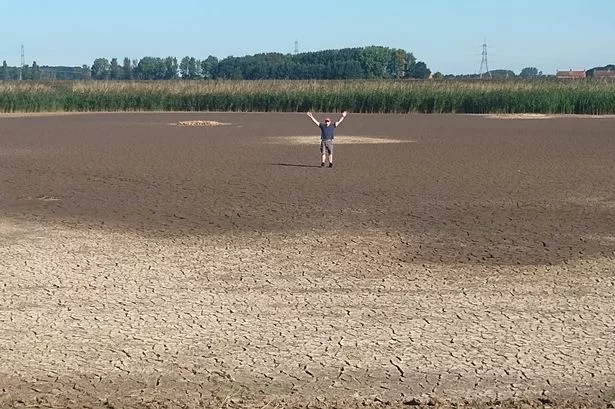
An ambitious conservation project aims to help prolong the life of the region’s wetlands
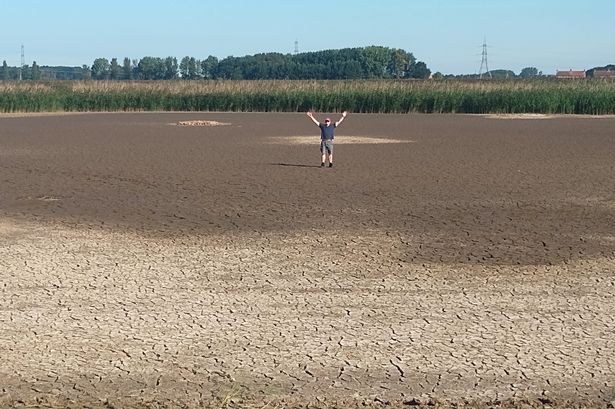
A major piece of conservation work is set to restore two bodies of water in East Yorkshire – Marshland Lagoon and Ousefleet Lagoon. The project, which will safeguard them for wildlife and people well into the future, has just been completed at RSPB Blacktoft Sands nature reserve on the Humber estuary.
The project, part of the RSPB’s ‘Wetlands Fit for the Future’ initiative, has seen tonnes of silt removed from the lagoons, returning them to their original depth and ensuring they will stay wetter for longer.
‘Wetlands Fit for the Future’ aims to enhance habitats on and around RSPB Blacktoft Sands in response to climate change and rising sea levels, thus supporting wetland biodiversity and increasing its resilience.
Silt washes in with every tide on the Humber estuary, gradually making lagoons shallower. By desilting them, the RSPB is future-proofing these vital habitats against the challenges of climate change. This will also prevent them from drying out during increasingly hot summers. This work has been made possible thanks to funding from FCC Communities Foundation through the Landfill Communities Fund.
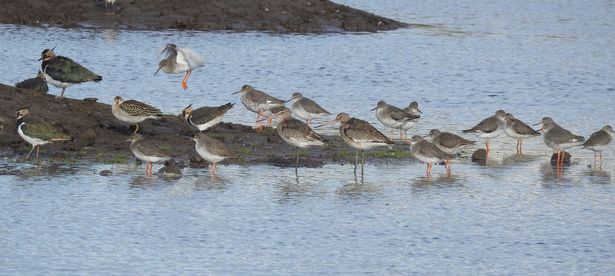
Deeper lagoons mean more wildlife and the combination of water and wet mud teeming with aquatic creatures provides food for some of our most threatened birds. Waders such as Curlew, Black-tailed Godwit, Redshank and Lapwing, as well as ducks including Teal and Wigeon, will all benefit from the newly-restored habitats.
Pete Short, reserve manager at RSPB Blacktoft Sands, said: “For me a lot of this work is personal – it’s part of a lifelong dedication to protecting this wetland. You feel proud to be able to give back to nature and to know that future generations will be able to enjoy the wildlife that thrives here.
“Keeping the lagoons in tip-top condition means we’ll see more special birds in the future. Already this year we’ve had a fantastic season for Bitterns, but species like Glossy Ibis, Spoonbill and Great Egret, which are all colonising, or re-colonising the UK, are increasingly dropping in because of the quality of these lagoons, right here on the Humber Estuary.
“We are extremely grateful to FCC Communities Foundation for providing funding as we would not have been able to go ahead without its support and it’s brilliant to see that the lagoons are already busy with wetland birds just days after the lagoon work was completed.”
Since they were first created in the late 1970s and 1980s, Blacktoft’s lagoons have become legendary among birdwatchers. Over the years they have hosted two firsts for the entire Western Palearctic – Red-necked Stint and Hudsonian Godwit – as well as Yorkshire’s first breeding Avocets in a century, that returned in 1992.
More recently (August 2021), a long-staying White-tailed Lapwing drew visitors from across Europe, with birdwatchers travelling from Germany, Holland and Switzerland and even as far afield as Australia to catch a glimpse of this rarity that is normally found no closer to Blacktoft than the Middle East.
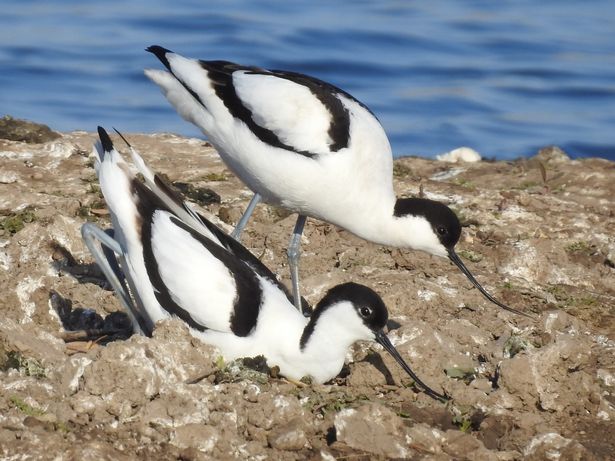
Pete added: “What we’re doing is making Blacktoft better for birding. This place has given me some of the most memorable wildlife experiences of my life – from seeing a Sharp-tailed Sandpiper to hearing Bitterns boom across the reedbeds. Every birdwatcher who visits knows the thrill of possibility here.”
Around 13,000 visitors come to Blacktoft Sands each year as part of a growing trend in bird and nature tourism, with getting out in nature now cited in the top three reasons for taking a UK holiday, according to VisitBritain.
Enthusiasts regularly travel long distances for the chance to see the nature reserve’s famous Bearded Tits or catch a glimpse of Marsh Harriers – once vanishingly rare in the UK but now thriving at this Yorkshire nature reserve, thanks to decades of careful habitat management.
The work on the lagoons, carried out during July and August this year, marks a major milestone in the wider ‘Wetlands Fit for the Future project’, which will run until March 2026 and see other improvements to the habitats.
Alongside lagoon restoration and better management of increasingly scarce water, the project is managing reedbeds and grazing coastal wet grassland with livestock (a mix of breeds including Limousine, Belgian Blue, Welsh Black, Belted Galloway, Aberdeen Angus, Simmental and Shorthorn) to ensure the Humber’s wetland landscapes remain resilient to increasing environmental pressures for decades to come.