


‘It’s about empowering people. With such a strong vote in favour, it’s crystal clear what residents want.’
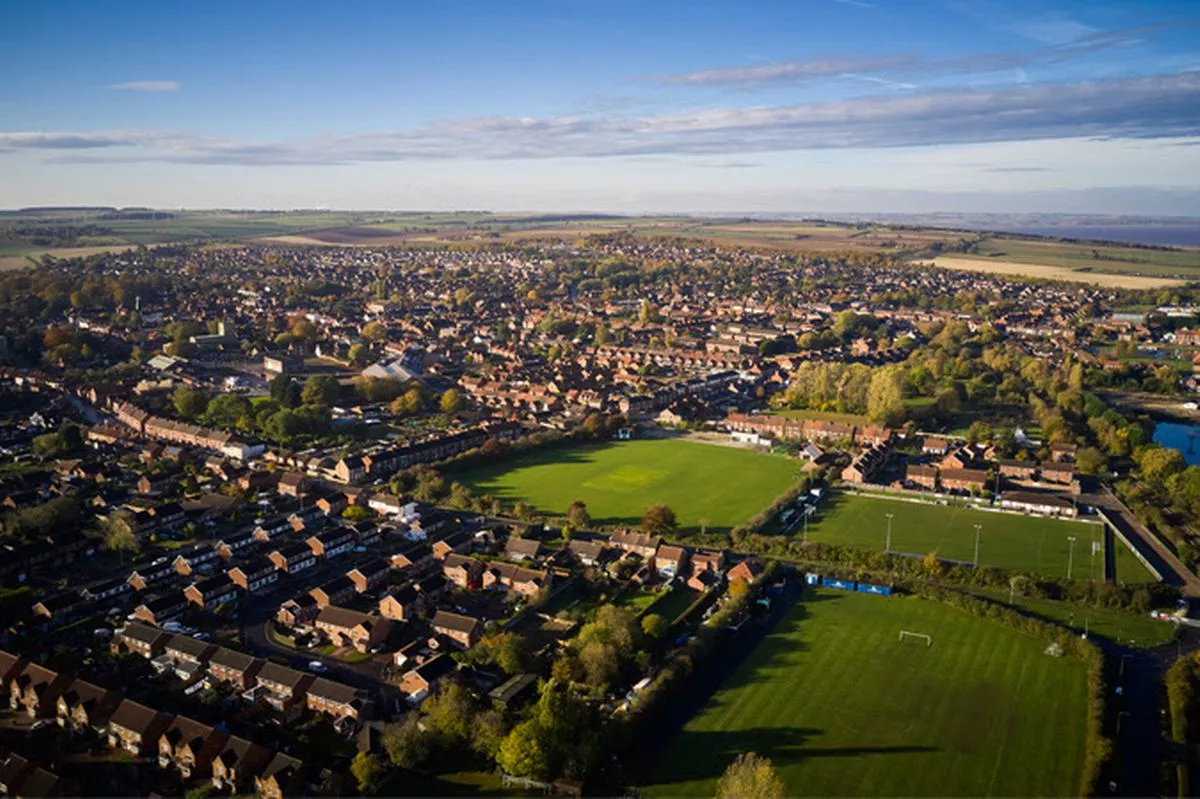
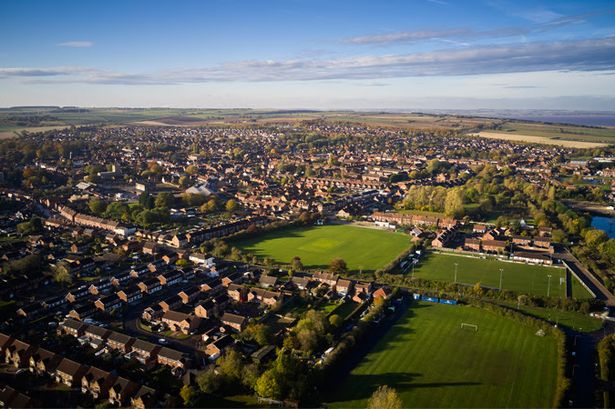
A new framework to guide planning decisions in Barton-upon-Humber has been formally adopted. It follows an extensive consultation process and a decisive referendum result.
At its December full council meeting, North Lincolnshire Council formally adopted the Barton Neighbourhood Plan. It followed a referendum in Barton, which was held on November 20.
By a margin of 90 per cent in favour to nine per cent opposed, the referendum backed the plan. Turnout was at just under 11 per cent, with 1,001 ballots in total issued.
The neighbourhood plan was put forward by Barton Town Council, working closely with local residents, volunteers and businesses, and supported by North Lincolnshire Council’s place planning team. It sets out a vision for how the town wants to grow and improve up to 2039, with emphasis on protecting its character, while also enabling new investment and opportunity.
Barton Ward Cllr Paul Vickers (Conservative) said: “This isn’t about top-down planning – it’s about empowering people. With such a strong vote in favour, it’s crystal clear what residents want.
“Our focus now is on delivering those outcomes and backing Barton every step of the way.” Under national law, once a neighbourhood plan referendum has been won the council must adopt it, unless it breaches legal or human-rights obligations. Full council found no such risk.
Before the referendum was held, the draft plan was subject to independent examiner Andrew Ashcroft’s verdict. He also visited the area and gave a summary of his trip to Barton in his report, including that he “appreciated the views of the Humber Bridge” at Water’s Edge Countryside Park.
He generally found the plan met necessary legal requirements and could proceed to the referendum stage. Now a legal part of North Lincolnshire’s development framework, the neighbourhood plan will guide developments across Barton.
It sets out development proposals that would be looked on favourably. These include more car and cycle parking facilities within the town centre, and new developments that incorporate design principles to help individuals with dementia.
It also identifies areas where development would be in most cases opposed. This includes 12 designated local green spaces.
These range from established recreation areas, like Baysgarth Park, to open space within residential areas of Barton, like Dam Road Park. Development on these local green spaces will only be supported in “very special circumstances”.
The neighbourhood plan does not exclude development in Barton. In fact, in its original drafting, it acknowledged plans for almost 600 more homes in the town up to 2039. This was before North Lincolnshire Council withdrew its draft Local Plan to revise it after the Government significantly raised the area’s housing targets up.
“This is residents first in action,” said Cllr David Rose (Conservative – Axholme South), cabinet member for environment and strategy. “Barton residents have set out what matters most to them – their heritage, their green spaces, their quality of life – and we are making sure their priorities drive the decisions. This is a community shaping its future, and the council delivering what truly matters.”
According to the regulations for holding a neighbourhood plan referendum, a council can claim £20,000 from central Government once they issue a decision record to hold a referendum. A document for the most recent full council states “a claim of £20,000 relating to the neighbourhood plan referendum, which has taken place, will be made in line with the funding requirements”.
Do you feel safe on the roads? You can have your say by completing the poll below or by clicking here .