


The Treasury has responded to a petition as state pension payments are set to exceed the £12,570 personal allowance and says it will draw up plans next year for some to be exempt
The Treasury has confirmed that decisions regarding the state pension and the £12,570 personal tax allowance threshold will be made in 2026. This decision emerged came out in a Treasury statement responding to a substantial petition demanding pensioners receive a dedicated tax code to prevent them from breaching the basic income tax threshold.
The petition garnered a response this week – shortly after Chancellor Rachel Reeves extended the threshold freeze until 2031 – signifying that individuals claiming the complete new State Pension will face taxation from 2027, provided the triple lock mechanism, which guarantees annual increases of at least 2.5 per cent, continues.
The petition, accessible here, has amassed 25,000 signatures – prompting an official Treasury acknowledgement. Timothy Hugh Mason, who launched the campaign, declared: “We want the government to introduce a new tax code for state pensioners, set at double the basic threshold. If this was implemented, pensioners would receive a higher tax-exempt limit, but wealthier pensioners would still pay tax.
“We think that people with small private or workplace pensions are currently being taxed unfairly.”
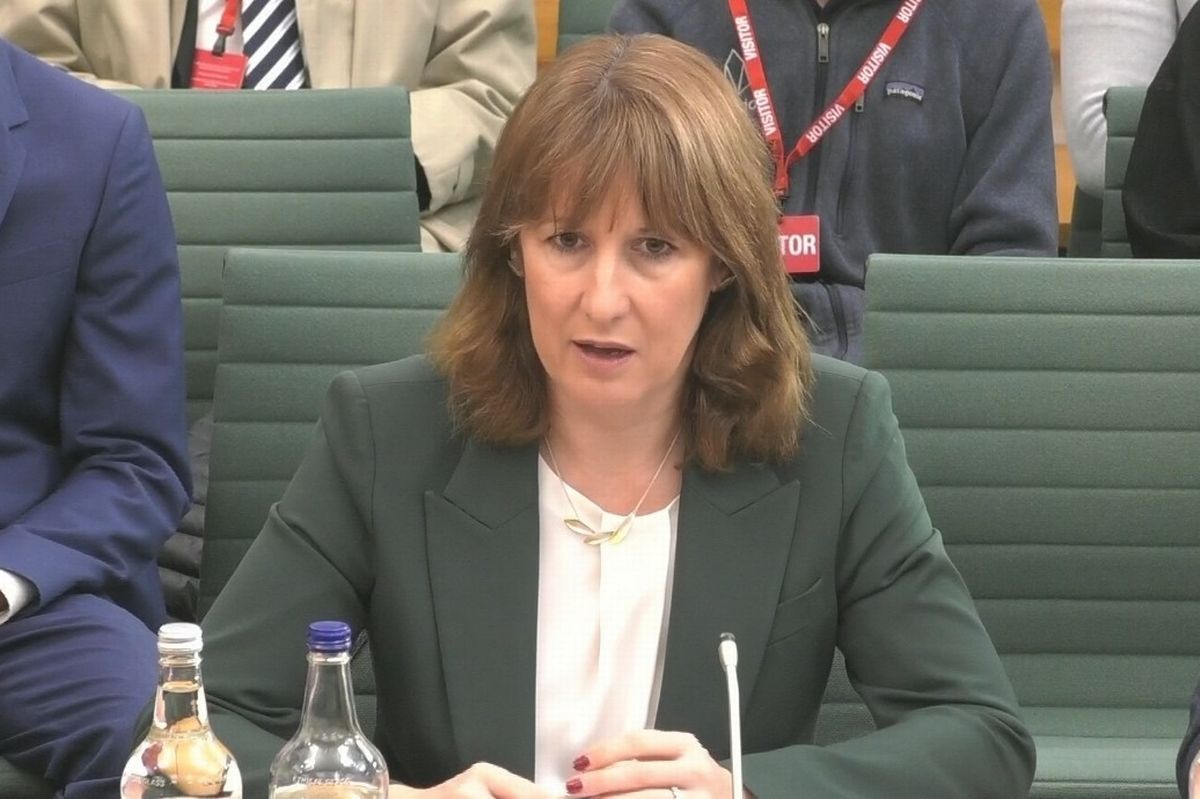
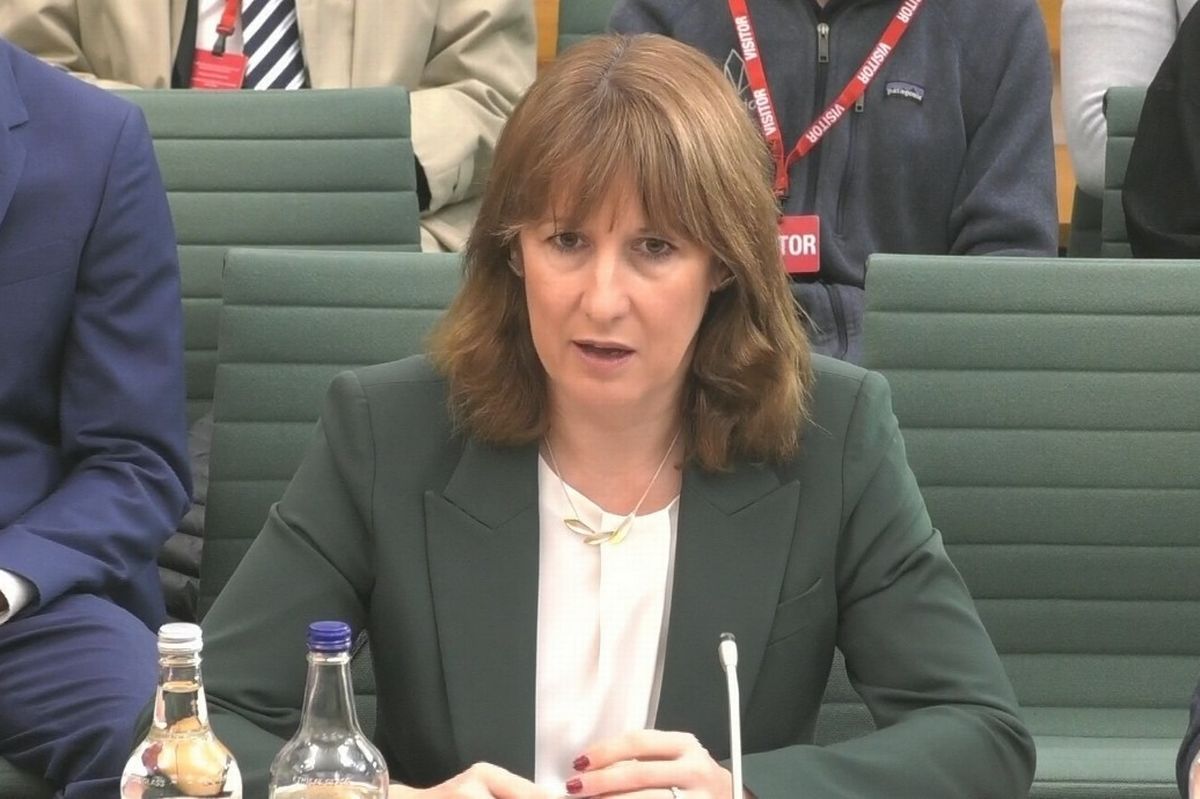
During her Budget announcement last month, Ms Reeves had committed that those solely receiving the full new state pension would be exempt from taxation or completing tax returns, though she failed to clarify the methodology. The Treasury has now confirmed it will come up with a scheme in 2026.
In its official response, it stated: “As announced at the Budget, the government will ease the administrative burden for pensioners whose sole income is the basic or new State Pension without any increments so that they do not have to pay small amounts of tax via Simple Assessment from 2027-28, if the new or basic State Pension exceeds the Personal Allowance from that point. The government is exploring the best way to achieve this and will set out more detail next year.”
Regarding the proposal to double the lowest tax threshold for pensioners to £25,140, the Treasury responded: “The State Pension is the foundation of support for pensioners. The Government is committed to a fair tax system but doubling the Personal Allowance for pensioners would be untargeted and costly.
“The State Pension is the foundation of support available to pensioners. The government is committed to the Triple Lock – one of the most generous State Pension uprating mechanisms in the world – for the duration of this Parliament. This will increase the basic and new State Pension by 4.8% next April, boosting pensioner incomes by up to £575 a year and strengthening retirement security.
“The Personal Allowance is already the highest amongst G7 countries. Doubling this allowance for all pensioners would be costly and untargeted – disproportionately benefiting higher-income pensioners.”
The triple lock mechanism will elevate the full new State Pension from £230.25 to £241.30 weekly (£12,548 annually) come next year, positioning it marginally beneath the threshold.
Personal Finance specialist Martin Lewis has highlighted that the complete new State Pension stands at £12,558 whilst the personal allowance remains fixed at £12.570 through to 2031 – representing the sum individuals can earn without incurring tax obligations annually.
Mr Lewis has noted that the new state pension will sit £30 beneath the allowance from April 2026. He clarified: “So anyone who’s got any other form of earnings – well, you’re going to go over it if you’ve got the full new state pension, you will have to pay tax.
“But from 2027 because we know the state pension has to rise by a minimum 2.5 per cent because of the triple lock here’s a projection. The minimum it could rise because of the triple lock 2027 it’s going to be about £12,861, £300 more than the tax free allowance as that’s staying stable and it will go more and more and more.”
Based on forecasts presented during the Martin Lewis Money Show Live, the minimum new state pensions calculated on the smallest potential increases would reach £12,861 in 2027, £13,183 in 2028, £13,512 in 2029 and £13,850 in 2030. He went on to say: “So you can see the issue that’s going on. My main concern was the admin. How are we going to have 90-year-olds doing self-assessment forms when they’re only earning £50 over the limit?” Mr Lewis harked back to his conversation with Chancellor Rachel Reeves post-budget, where he posed a question from a viewer named Rebecca: “Does my 85-year-old father who is living with dementia now have to complete a tax return as his state pension will take him over the personal allowance.”
Ms Reeves replied: “So if you just have a state pension and you don’t have any other pension you don’t have to fill in a tax return. I make that commitment for this Parliament. You’re right 2027 looks like the time it will cross over. We are working on a solution as we speak to ensure we’re not going after tiny amounts of money.”