


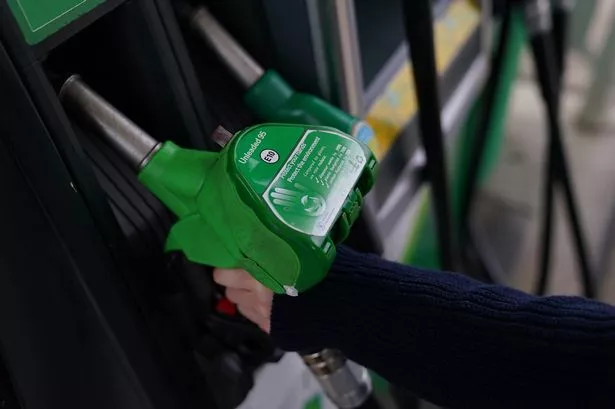
The motoring organisation said rises were the fastest in 18 months
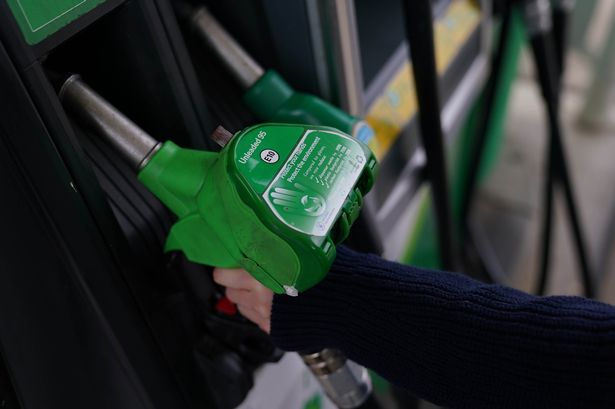
The RAC has predicted a “costly Christmas” for drivers after new data showed the price of both petrol and diesel rose at their fastest rates since April 2024. The data came from RAC Fuel Watch.
It said petrol pump prices went up 2.17p in November, taking the average cost of a litre to 137.17p – the highest price since mid-March 2025. Diesel was up 3.84p in the month with the average cost of a litre now standing at 146.57p, “a figure that drivers haven’t seen since late August 2024”, the RAC said. The last time fuel prices rose as sharply in a single month was April 2024, it added.
It said that supermarket prices also increased, with unleaded up 2.46p to 134.48p and diesel up 3.6p to 143.08p, but they remained significantly lower than the UK averages. It added that the cost of filling a family petrol car was now £75.44 – up £1.19 from £74.25 at the end October – with those using supermarket forecourts paying £73.69. A full diesel refill costs £80.61 on average, up £2.11 since the start of the month and £78.69 at a supermarket.
Drivers in Northern Ireland pay less than those elsewhere in the UK, with a litre of unleaded 129.6p on average and diesel at 137.7p. With the expense of Christmas just around the corner, the RAC said the jump in pump prices would come as a disappointment to drivers. Compared to a year ago, petrol is about 0.5p per litre higher while diesel is more than 4p dearer.
The current increases also follow last week’s Budget announcement that the rate of fuel duty will begin to rise from 52.95p next September – ending the present 5p fuel duty discount introduced in spring 2022 – and increasing the level of tax paid by drivers of petrol and diesel vehicles.
RAC head of policy Simon Williams said: “Drivers will be disappointed to see prices at the pumps rise so sharply in the run-up to festive period. Not only is it one of the most expensive times of the year, it’s also a time when many of us drive hundreds of miles to celebrate with family and friends over the extended break, making it a costly Christmas on the roads.
“But it’s not all gloom, as filling up in the right place could save drivers a lot of money. The best way to locate the cheapest possible petrol or diesel is to download the myRAC app and use the fuel finder feature to locate the lowest prices near you. Every penny really does count, as each 1p less per litre saves around 55p a tank for an average family-size car.”
A spokesperson for Petrolprices.com, which has also analysed recent trends, said: “Unleaded and diesel prices continued to climb throughout November, with the average cost of a tank of diesel now around £2.80 higher than it was at the start of the month. Across November, diesel rose by 4.7ppl, while unleaded increased by nearly 3ppl. This happened despite crude oil becoming slightly cheaper. Brent closed the month at $63/bbl, down from $64.30/bbl on November 1.
“Drone attacks targeting Russia’s refining infrastructure sent global refining margins sharply higher, while attacks near the Black Sea port of Novorossiysk disrupted crude loadings. Reducing refining capacity reduces both the demand for crude oil and the supply of refined products.
“According to data from Portland Pricing, wholesale diesel rose by $70/tonne by mid-November, with unleaded up $40/tonne. These higher wholesale costs squeezed retailers’ margins and ultimately forced pump prices higher.
“There is some good news for motorists. Pricing pressures have started to ease, at least for now. On November 30, the number of stations reducing prices on both unleaded and diesel outnumbered those increasing them. This is the first time this has happened in more than three weeks.
“If this trend continues, we should see the pace of price rises slow, with the possibility of actual price reductions in the coming weeks. Retail margins are currently above the six-month average, suggesting there is room for pump prices to soften if wholesale costs continue to stabilise. This will be a welcome relief after a month of steady increases.”