


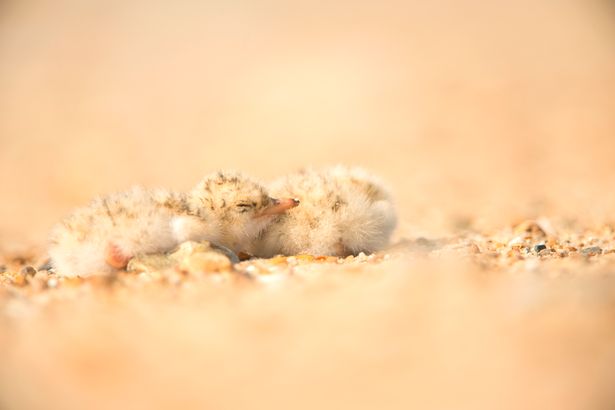
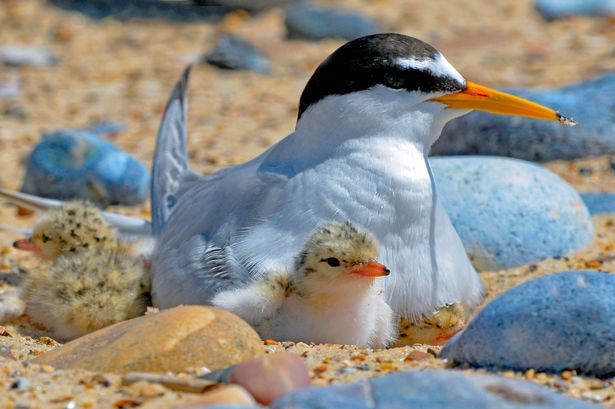
Conservation efforts in the Humber area have led to a record-breaking year for one of the UK’s rarest species of seabird – the Little Tern. The largest number of breeding pairs for more than 50 years has been recorded on the estuary.
The project at Beacon Lagoons, led by Spurn Bird Observatory Trust with the RSPB, Yorkshire Wildlife Trust, Natural England, Humber Nature Partnership and the South Holderness Countryside Society, has seen numbers skyrocket from 59 pairs in 2024 to at least 105 breeding pairs in 2025. More than 110 Little Terns successfully fledged this summer – an extraordinary sign of recovery for a species once in serious decline.
This is the highest number of young reared at Beacon Lagoons, surpassing the previous record of 107 in 2023. The project has received funding from the Environment Agency and the John Lewis Partnership Foundation.
Research indicates that Little Terns need to raise an average of 0.7 chicks per pair to maintain a population at Beacon Lagoons. The five-year average of the number of young raised is 1.2, which at least partially explains this increase in numbers.
This charming, chattering seabird is the UK’s smallest Tern. It has a short tail and swift flight, with a distinctive yellow bill tipped with black.
Its vulnerable nesting sites and its decline in Europe classify it as an Amber List species, indicating that its population has experienced moderate declines. It is also listed as a Schedule 1 species under The Wildlife and Countryside Act, meaning it requires enhanced protection due to sensitivity to disturbance.
Beacon Lagoons, near Kilnsea, on the East Atlantic Flyway, is now the only remaining Little Tern colony in Yorkshire. Each spring, Little Terns migrate from their wintering grounds in West Africa to nest on our shores.
The East Atlantic Flyway is a migration route used by approximately 90 million birds annually, one of the eight major global bird migration routes. The UK and East Coast Wetlands are part of this route which connects countries from the Arctic to southern Africa, globally significant for migratory birds and its coastal wetlands and other habitats.
Since the 1980s, local wardens and volunteers have been striving to protect these delicate seabirds, erecting protective fencing, conducting 24-hour watches, and utilising thermal cameras to deter predators such as foxes. This summer, three wardens, supported by 12 dedicated volunteers, devoted their time to ensure these Humber estuary birds had the best opportunity to flourish.
Holly Fox, a volunteer for the project from Hull, said: “It’s been incredible to see the colony grow year on year. Watching the chicks fledge and knowing you’ve played a small part in giving them that chance is hugely rewarding.
“The local community here has helped us to protect these precious birds too, helping to ensure the Little Terns have been given the space they need to nest and breed. Everyone is proud of what’s been achieved.”
The surge in breeding pairs represents the highest numbers of Little Terns on the Humber since the early 1970s, showcasing the effectiveness of nest protection schemes when organisations and local communities collaborate.
Mike Pilsworth, RSPB Conservation Officer and chair of the Beacon Lagoons Little Tern Protection Scheme steering group, said: “Little Terns are a special visitor to our coast, but they face many threats. Protecting them is only possible thanks to the huge team effort and dedication of wardens, volunteers and partner organisations over the years.
“This year’s leap in numbers can be attributed to the young birds now reaching the age when they return to breed. This year’s success gives us real hope that we can continue to grow the population and see Little Terns recolonise other beaches around the Humber where they haven’t nested for decades.”
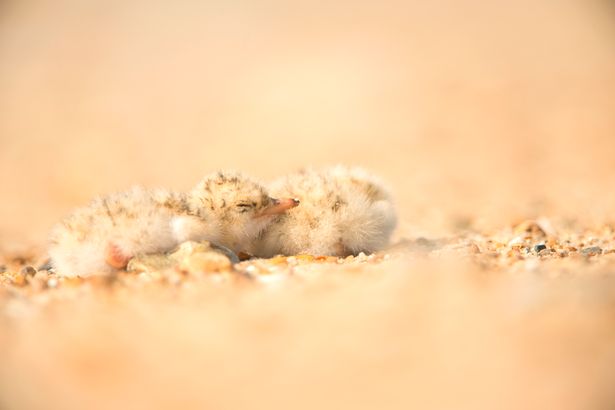
(Image: Ben Andrew/RSPB)
Rob Hunton, from Spurn Bird Observatory Trust, added: “As the only Little Tern colony in Yorkshire, Beacon Lagoons is vitally important for the future of this species. We’re thrilled to see numbers increasing, which is a testament to the long-term dedication of our staff, volunteers and partners. It shows what can be achieved when we work together to protect vulnerable wildlife.”
While Little Terns take centre stage, the nesting site also provides sanctuary for significant populations of other shore-nesting birds. This year, 15 pairs of Ringed Plovers successfully fledged 21 young, with breeding Oystercatchers and Avocets also present. For Ringed Plover there was a minor decrease in breeding pairs compared to 20 pairs in 2024, though breeding success remained strong, raising hopes for increased numbers in future years.
Beacon Lagoons faces ongoing threats from coastal erosion and is projected to be lost or rendered unsuitable for Little Terns within the next two decades. Partner organisations are currently investigating ways to safeguard these birds for the future, including establishing new disturbance-free, protected nesting sites along the Humber.
In April 2023, England’s East Coast Wetlands were included in the UK’s Tentative List of World Heritage sites, alongside just five other new sites. Being part of this prestigious list is the initial step towards joining UNESCO’s (United Nations Educational, Scientific and Cultural Organisation) World Heritage List, which acknowledges cultural and natural heritage worldwide that holds exceptional universal value to humanity.