


Yorkshire Wildlife Trust has compiled a round-up of the highs – and lows – of the past year
It has been another wild year for environmental charity the Yorkshire Wildlife Trust (YWT). It has taken ownership of and found some new species on its reserves; introduced new and innovative methods of looking after wild spaces, and advocated for nature’s protection.
A spokesperson for YWT said: “Our events and activities inspired hope; from wildlife gardens and beach cleans to guided walks to watch puffins, school children learning about curlews, fungi forays at our annual festival, and drystone walling and wild flower walks in the foothills of Ingleborough.” While thousands of people have been able to witness Yorkshire’s wildlife at its finest, many having been inspired to boost YWT’s 45,000-strong membership, or its 1,000-strong body of volunteers, YWT has also faced its challenges – including the driest spring in the county for 132 years.
“This is a cause for concern for those of us caring for our wildlife and our nature reserves – particularly rare wetland habitats, which are at high risk from drying out and require preparation to adapt, restore and protect in a changing climate,” said the spokesperson.
A collision between two ships in the Humber Estuary in March happened just offshore from the highly-protected Spurn Point nature reserve. “Although ill effects were ultimately concentrated much further down the coast in Lincolnshire, the sheer vulnerability of wild places like the Humber Estuary as one of the most important and highly protected in the UK, has never been more evident,” the spokesperson said.
The YWT is planning its 80th “oak” anniversary in 2026 that will require and bring together committed collaboration to truly make a difference for Yorkshire’s wildlife, and its home, and drive the change that nature needs. In the meantime, it has compiled a round-up of the highs – and lows – of the past year for Yorkshire’s creatures and landscapes.
Oysters in the Humber
Wilder Humber, delivered in partnership by Yorkshire Wildlife Trust and Lincolnshire Wildlife Trust, achieved the largest release of native oysters in the intertidal zone by any restoration project in the UK to date. During 2025 the project introduced 300,000 oysters with support from Ørsted, The Oyster Restoration Company, and the Fisheries and Seafood Scheme operated by the Marine Management Organisation.
Welcome visitors at North Cave Wetlands
The YWT was absolutely delighted to announce its first-ever bittern breeding success at North Cave Wetlands nature reserve near Hull in July, as well as a clutch of pochard chicks and a regularly-visiting otter that wowed visitors. Bitterns were once so rare that there are still fewer than 20 breeding pairs in Yorkshire.
Thousands go wild at events and festivals
Alongside the YWT’s highly successful annual Puffin Festival at Flamborough and Fungi Festival at Potteric Carr in Doncaster, this year the Trust was delighted to welcome visitors through their doors for a new festival in December – Robin Festival. After a call was put out for knitted robins to create a trail, over 200 were received.
Murmuration magic
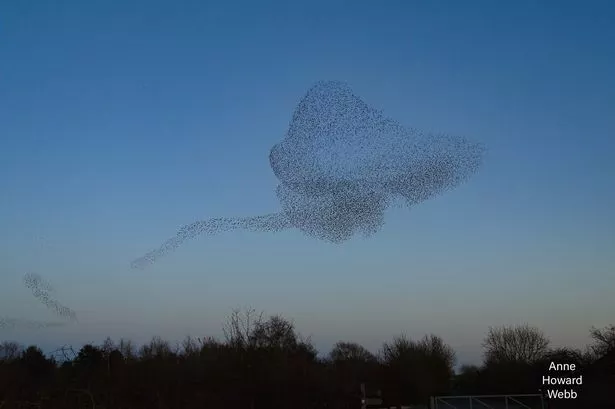
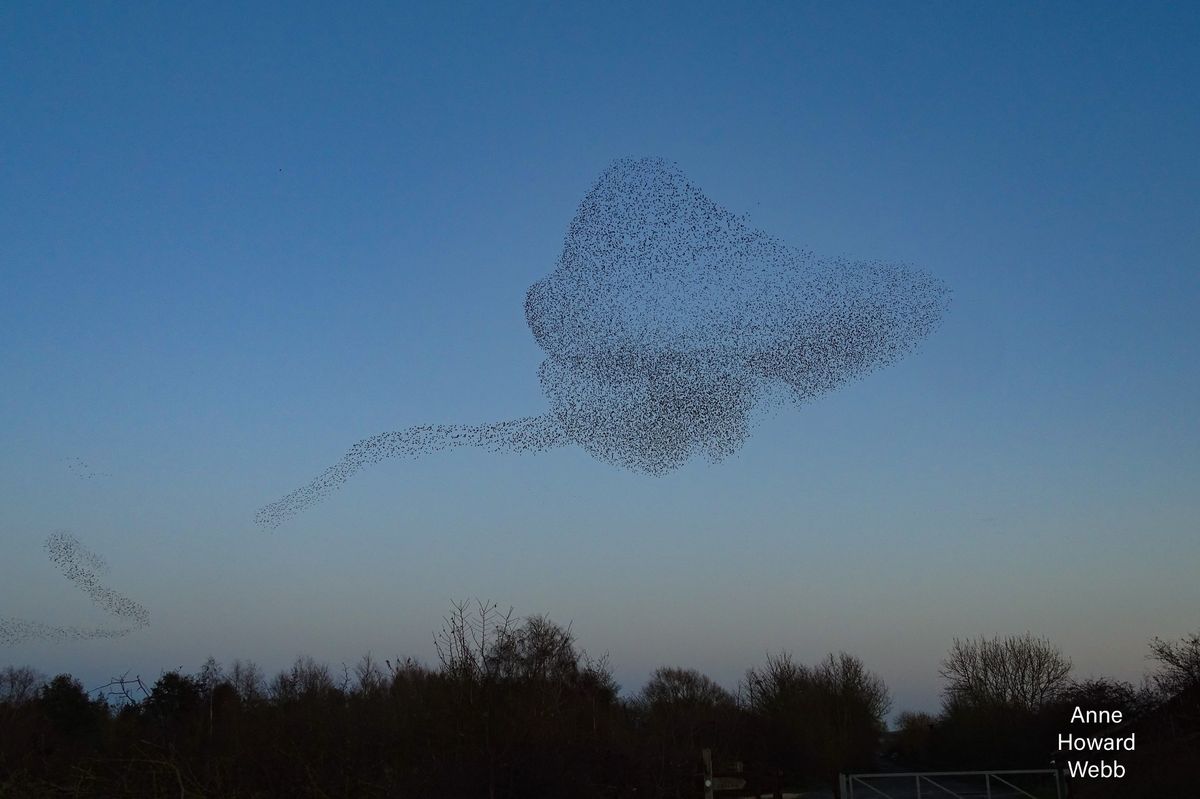
This year has been particularly successful for starling murmurations, with sightings at YWT’s North Cave Wetlands, Spurn Point, Ripon City Wetlands and Potteric Carr nature reserves. Murmurations will be visible until early February and are best just before dusk. More information and how to watch them here.
Bringing temperate rainforest back to Yorkshire
Yorkshire Wildlife Trust’s 116th nature reserve, Park Gill, just outside Grassington will form part of the Temperate Rainforest Restoration Programme, working in partnership with the Wildlife Trusts and Aviva to see temperate rainforests restored in areas where they used to grow along the damper, western climes of the British Isles.
Lady’s-slipper orchid success
A project team led by YWT and supported by partners Natural England, Royal Botanic Gardens, Kew, the National Trust, Plantlife, and the Botanical Society of Britain and Ireland were delighted to discover the first new lady’s-slipper orchid to appear in the wild for nearly 100 years. The orchid was collected to near-extinction in the UK in the early 20th century, with a single plant remaining in a hidden location in the Dales.
Ingleborough National Nature reserve extended
Ingleborough National Nature Reserve, in the Yorkshire Dales, grew to 1,186 hectares (2,930 acres) to honour its vital importance for nationally significant wildlife populations, including the northern brown argus butterfly, curlew and Yorkshire sandwort. The expansion included five YWT nature reserves and honours the vital work the Trust is doing in the area as part of its Wild Ingleborough programme.
The Trust also restored 400m of dry stone wall– the same length as the Ribblehead Viaduct – across its Ingleborough reserves, thanks to the help of amazing volunteers.
Making gardens wilder
The YWT responded to calls to help more people garden for wildlife at home and created a new Yorkshire Wildlife Trust Wildlife Gardening Award, the Trust’s first-ever Wildlife-Friendly Open Gardens and an exhibition at RHS Wentworth Woodhouse on hoverflies. YWT’s wildlife gardening hub is packed with advice and information.
New seawatching station in Scarborough
YWT and art-science-climate organisation Invisible Dust were thrilled to unveil a new marine wildlife watching station in Marine Drive, in April. The station is home to Roman Mosaic, a permanent marine mosaic by Turner Prize-winning artist Jeremy Deller, as well as free seawatching telescopes and wildlife information panels.
70 years of Moorlands
The YWT was delighted to celebrate the 70th anniversary of its Moorlands nature reserve in York in September. The reserve is very popular with families for its treehouse and trails, and is home to rhododendrons and azaleas, and a huge array of fungi.
Tackling Himalayan balsam with rust fungus
Himalayan balsam is one of the UK’s most invasive weed species, and took YWT and its volunteers 700 hours to remove from its sites this year. A new control method using a fungus native to the plant has shown early success, with the fungus surviving the cold Yorkshire winter.
Drought and its impact on wildlife
Drought had an extensive impact across many of YWT’s nature reserves this year. Vitally important wetland reserves like Kilnsea Wetlands and Askham Bog dried out entirely, causing damage to habitat that will take years to fix; many trees on woodland reserves lost limbs and turned autumnal early in an attempt to conserve water; and much of our wildlife like dragonflies and damselflies began to struggle.
Tanker collision in the North Sea
On March 10, a container ship collided with a tanker around 13 nautical miles off the coast of YWT’s Spurn Point National Nature Reserve. Although the impact on Yorkshire was minimal, Lincolnshire and Norfolk were inundated by melted plastic nurdles – small plastic pellets – washing up on their beaches.
This is a clean-up operation which could take months to years.