


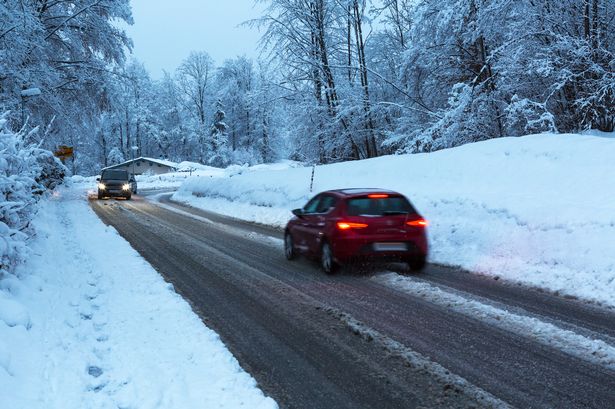
The winter period can present a wide array of new hazards for drivers
During the winter period, motorists face a wide array of new hazards that they are unlikely to encounter for the rest of the year. Colder conditions, snow, ice, and heavy rainfall can all present new opportunities for accidents and legal violations to occur, increasing the risk of facing fines and penalty points on your licence.
Because of this, it’s important for drivers throughout the winter period to ensure that they’re properly prepared for whatever road conditions they may face. For those who are especially conscious of making sure they don’t break the rules throughout the winter, concerns may be raised over what condition your car is allowed to be in during the winter, especially during periods of heavy snowfall.
For example, rule 229 of the Highway Code highlights that drivers must be able to see clearly through their windscreen and mirrors and must clear all snow and ice where applicable. But it may not be clear to some just how much snow needs to be cleared away and whether all parts of the vehicle must be snow-free before driving.
When faced with the question of whether or not it is an illegal offence to drive with snow on the roof or bonnet of a car, West Yorkshire Police clarified: “Whilst there is no specific offence relating to snow on a vehicle’s roof and bonnet, it is advisable to remove any loose snow before commencing your journey. If it slips or is blown over the windscreen, or flies into the path of another car, it could cause a hazard for you or another road user and could leave you open to being penalised for a number of offences, such as ‘driving without due consideration’ or ‘using a motor vehicle in a dangerous condition’.”
Fines for driving a car in a dangerous condition
As the police clarified, it is not outright illegal to drive your vehicle if there is snow on the roof or bonnet. However, it does present a potential hazard if that snow affects you or another road user.
If a driver is believed to be using a motor vehicle in a dangerous condition due to the snow affecting their driving, they could receive a fine of up to £2,500, as well as three points on their licence. Meanwhile, being caught driving without due consideration can lead to a more severe fine of £5,000 and up to nine points.
Keep in mind that it is generally recommended to avoid driving in icy and snowy weather conditions unless absolutely essential. Rule 229 of the Highway Code states: “In winter check the local weather forecast for warnings of icy or snowy weather. DO NOT drive in these conditions unless your journey is essential.
“If it is, take great care and allow more time for your journey. Take an emergency kit of de-icer and ice scraper, torch, warm clothing and boots, first aid kit, jump leads and a shovel, together with a warm drink and emergency food in case you get stuck or your vehicle breaks down.”