


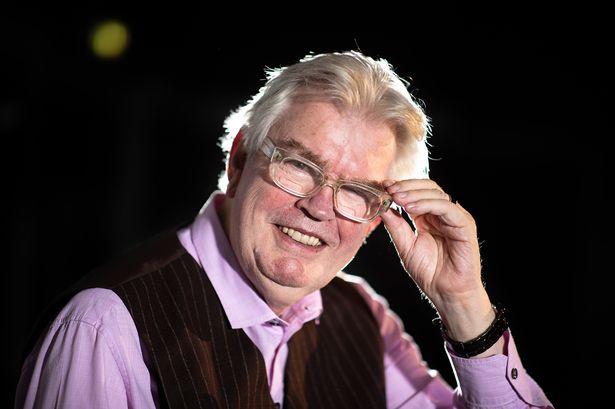
He was a “real gentlemen” throughout the build of The Deep
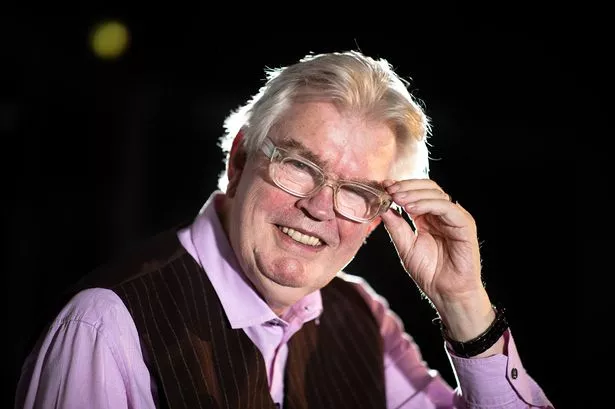
Sir Terry Farrell, the architect behind some of the world’s most recognisable buildings, has sadly died aged 87. The news was disclosed by the architecture firm he founded on behalf of his family yesterday.
Among his numerous achievements was designing The Deep in Hull, and several landmarks buildings in London including the MI6 headquarters, Embankment Place, and 125 London Wall. He also designed impressive structures in East Asia including in Hong Kong and China.
Posting a tribute on X, The Deep said it was “saddened to hear of the passing of Sir Terry Farrell”. It added he was “an award-winning architect, widely renowned for the world-class buildings he designed around the globe”.
On its website, Terry Farrell & Partners described him as a “maverick, radical and a non-conformist”. He received many honours throughout his illustrious career, including a CBE and a Knight Bachelor.
He was also known as a champion of social mobility. In its tribute, Terry Farrell & Partners quoting him as saying: “My work these last 50 or so years has been heavily involved in creating a kinder, less doctrinaire world than that of the previous era of high modernism.
“It has been about layering, learning from the past and regenerating with communities’ involvement from the bottom up. One thing I have learned is that we should make it easier for the aspiring child, because all too often society is not fair and not remotely equal.”
In a previous interview with BBC Radio Humberside, Colin Brown, the first Chief Executive of The Deep, recalled how Sir Terry had to achieve the astonishing feat of “designing the building as we were building it”. This was because Millennium Lottery funding had not yet been secured.
Colin said it was “quite an experience”, but Sir Terry was “a real gentlemen” throughout the daring project. He admitted being surprised the famous architect, who had already designed MI6 and Embankment Place at Charing Cross by this point, took on the job.
Colin also revealed the inspiration behind the building was not the prow of a ship, as often suggested. Instead, it is a thrusting geological formation.
“The original idea was that he came to Hull and saw that it was very flat,” he said. “We were talking about renewing the city and giving ourselves a new start.
“He said, ‘Let’s build a new landscape for a new city.’ It’s meant to be an escarpment, a piece of rock jutting out into the future, and if you look at the materials, it goes from very heavy concrete at the bottom, through lighter metals, and then this crystal cone on the top.”
Is Hull the best place to live in Yorkshire? You can have your say by completing the poll below or by clicking here.