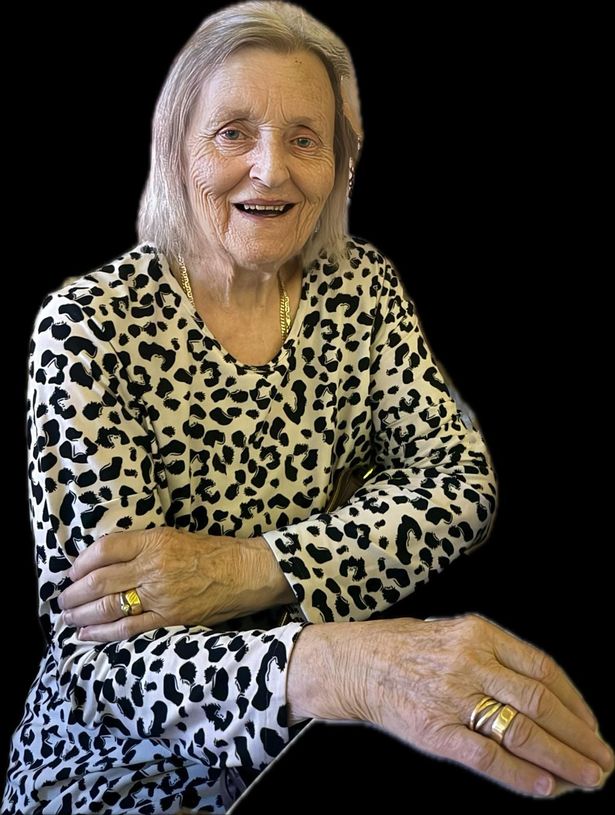
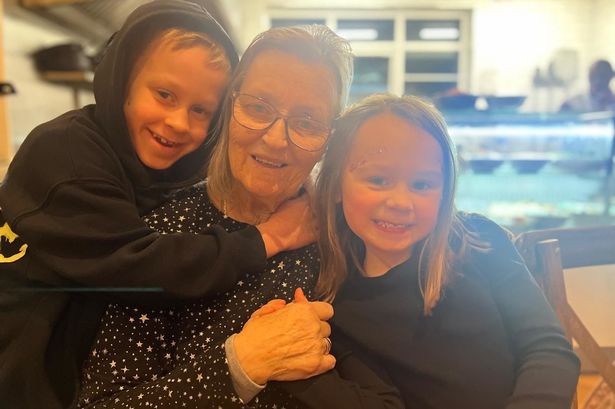
The family of a woman who died days after undergoing a heart valve procedure at Castle Hill Hospital claimed they were promised it would extend her life, only for her to suffer a massive stroke from which she would never recover.
Stuart Fields says his mother Barbara, 76, and his father Malcolm, had been given the impression a transcatheter aortic valve implantation (TAVI) procedure would give her a new lease of life and a longer life expectancy. However, suffering a stroke minutes after she had awoken following the procedure, she died just three days later.
Barbara had been diagnosed with an irregular heart beat in 2019, and later heart valve disease, with the TAVI procedure suggested for her as it allows a new valve to be inserted via a catheter through a blood vessel, replacing the damaged one, without the need for open-heart surgery. Mr Fields says the family had been told the surgery would involve clot nets being placed inside her veins to collect debris, and prevent her having a stroke.
However, he claims that on the morning of his mother’s operation, the plan changed, as his mother and father were told Barbara was “too frail”, and that using nets would have taken too long. Now, he says all the family in hindsight wish they had “turned around and gone home”, but says his parents felt they had to go ahead.
“Mum had been waiting for this procedure for a long time, so when she and my dad turned up on the day to be told the nets couldn’t be used, they were placed in a difficult position and went ahead as they were already in hospital. My dad says to this day that he wishes in hindsight that he’d taken mum home and not let them go ahead with it because it was different to what we thought and what they’d told us was going to take place.
“He just wanted her to start benefit from feeling better, and as they were already there in hospital, get it done and over with.”
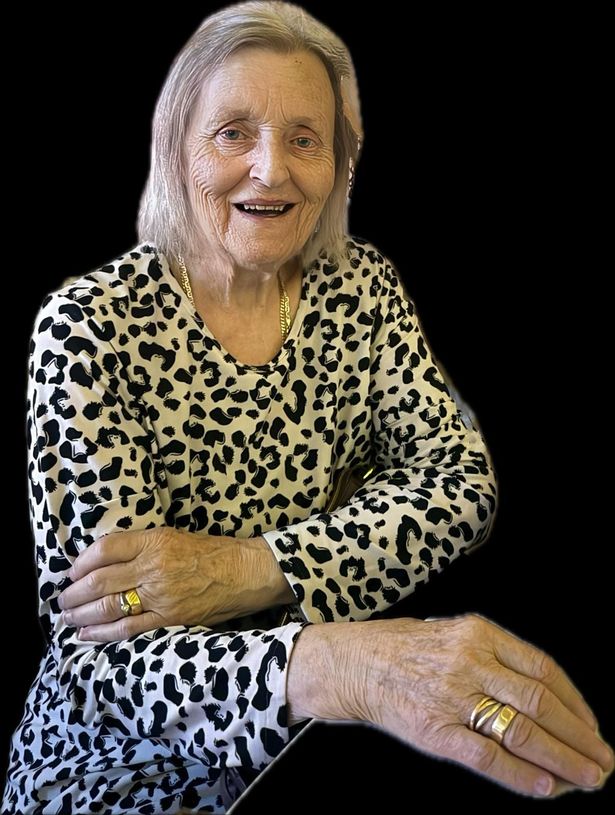
(Image: Family of Barbara Fields)
Family ‘badly informed’ on procedure and risks
Mr Fields said his father left his mum to have the procedure, but was called a few hours later by nurses, who informed him that Barbara had had a stroke, and that she was being transferred to Hull Royal Infirmary. “We had no idea that Castle Hill Hospital wasn’t able to treat people for strokes, and only found this out after mum had had one following the operation,” Mr Fields said.
“Had we known that she would have needed transferring should she have a stroke, again, we may well have decided not to go ahead. My mum was paranoid about having a stroke as her mother had one.
“Looking back we just feel we were so badly informed. We took time collectively as a family to take the decision for mum to have the TAVI, but we weren’t fully informed of the risks, on the day she had something different to what had been planned and agreed, and we had no idea she’d need transferring to another hospital in the event of a stroke.”
Consultants claim TAVI was a ‘success’
Mr Fields says that since his mother’s death, Hull University Teaching Hospitals NHS Trust has repeatedly claimed that the procedure had been a “success”, as his mother suffered her stroke after the operation. “That has been one of the things that had really angered us the most,” he said.
“We’ve sat as a family opposite consultants who have said to our faces the TAVI operation was a success because they believe it went well. The fact my mother had a stroke ten minutes after waking up, and died three days later, seems irrelevant to them. They are in denial.”
He claimed: “Their narrative completely changed also from before the procedure to what they were saying afterwards. Before we were told it was being done to improve her quality of life and extend her life.
“After she’d died their narrative was that she’d have died after six months anyway without the procedure. The attitude has been appalling.
“I repeatedly asked for statistics on Castle Hill’s serious injury and death rates after having TAVI procedures and they never provided them, they always skirted around it, even in face-to-face meetings. It was only when the recent story broke in the press about the police investigating deaths, and the death rate at one stage being three times higher than the national average, that we knew more than us had been affected. We always suspected so.”
Other families ‘found a lack of transparency and clarity’
The family are one of a number to have now instructed medical negligence specialists Hudgell Solicitors to act on their behalf. “We want to prevent this from happening to other families,” Mr Fields said. “This is not about seeking financial compensation, as sadly, nothing can bring mum back.
“We believe there needs to be a significant change in the process regarding the treatment of individuals without the necessary facilities at Castle Hill. The risks were not communicated properly to us before mum’s admission and surgery, and that is not right.”
Solicitor Nick Ward-Lowery, of Hudgell Solicitors, said: “The family of Mrs Fields tell a very similar story to a number of other families whose cases we are currently investigating, in that they say the risks and possible outcomes of surgery were not fully explained to them, and then, having lost a loved one, they have found a lack of transparency and clarity.
“The concerns around death rates following TAVI procedures at Castle Hill have recently been documented in the media, alongside some other very serious concerns around transparency in how deaths have been reported. We will be requesting full medical records of the patients whose families have come to us seeking answers around their treatment at Castle Hill Hospital and their subsequent deaths following TAVI procedures, with a view to pursuing civil claims for damages on their behalf.”
NHS Humber Health Partnership said TAVI (Transcatheter Aortic Valve Implantation) is a heart valve treatment undertaken on the oldest and frailest patients with heart valve disease, in whom a team of specialists have recommended keyhole surgery rather than open-heart surgery. The procedure has many benefits for these patients, but like any major procedure on such patients, it is also recognised to carry a significant risk, it said.
All TAVI services across the NHS from the date they each started have undertaken steps to reduce these recognised risks for patients with huge success locally and nationally; however, risks will always remain for these patients who are by definition not fit enough for conventional open-heart surgery. A spokesperson for NHS Humber Health Partnership said: “We cannot and would not comment on a specific, individual case.
“TAVI treatment is undertaken on our oldest and most frail patients and the recognised risks are discussed with every patient prior to the procedure being carried out.”
A spokesperson for Humberside Police told Hull Live last month: “An investigation is in the very early stages in relation to deaths following Transcatheter Aortic Valve Implantation (TAVI) surgery at Castle Hill Hospital. Enquiries are being carried out and at this time, we can confirm no arrests have been made.” The situation has not changed.
Get the latest news stories as they happen sent to your phone