


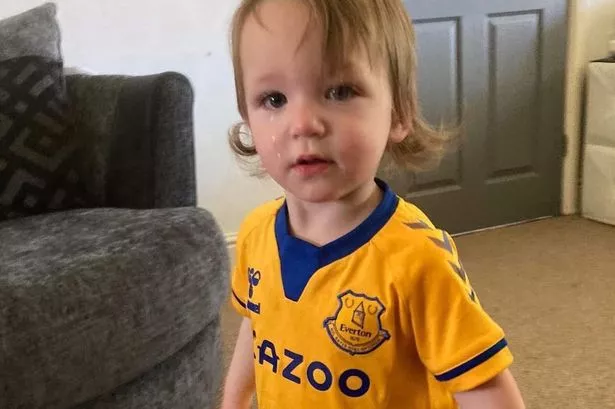
In some circumstances, it is vital to seek urgent medical help
View Image
Type 1 Diabetes – symptoms, diagnosis and treatment
- The most common symptoms of type 1 diabetes according to the NHS are: needing to wee more than usual, feeling very thirsty, feeling very tired and losing weight quickly without trying to. The easiest way to remember them is as the 4 Ts: toilet, thirsty, tired, thinner.
- Other symptoms can include: blurred vision, sweet or fruity smelling breath, cuts and wounds taking longer to heal, getting more frequent infections. Symptoms develop at different speeds, from very quickly to over a few weeks.
- If it’s not treated, type 1 diabetes can lead to a serious condition called diabetic ketoacidosis. This is a serious condition where a lack of insulin causes ketones to build up in the blood. It can be life threatening.
- Type 1 diabetes usually starts in children and young adults, but it can happen at any age. People are more likely to develop it if they have autoimmune conditions or if it already exists in the family.
- If a doctor suspects you have type 1 diabetes, they’ll do some blood tests by taking a blood sample or pricking your finger to check for high blood glucose. They may also test a urine sample.
- If tests show you might have type 1 diabetes, you’ll be referred to a specialist for more tests and treatment – usually on the same day.
- The main treatment for type 1 diabetes is taking insulin to manage your blood glucose (sugar) levels. Patients need to try to keep blood glucose levels within a target range and check it regularly.
- If you think you or your child has type 1 diabetes, you can call 111 or get help from 111 online. If symptoms are increasing quickly, you have stomach pain, diarrhoea, or you’re feeling or being sick, feeling sleepy or confused, or you’re breathing faster and more deeply than usual, you should go to A&E urgently or call 999 as these could be signs of diabetic ketoacidosis.
- You can read little Lyla’s story in full here: Just weeks left to sign petition to stop children like Lyla dying from type 1 diabetes

At Reach and across our entities we and our partners use information collected through cookies and other identifiers from your device to improve experience on our site, analyse how it is used and to show personalised advertising. You can opt out of the sale or sharing of your data, at any time clicking the “Do Not Sell or Share my Data” button at the bottom of the webpage. Please note that your preferences are browser specific. Use of our website and any of our services represents your acceptance of the use of cookies and consent to the practices described in our Privacy Notice and Terms and Conditions.