


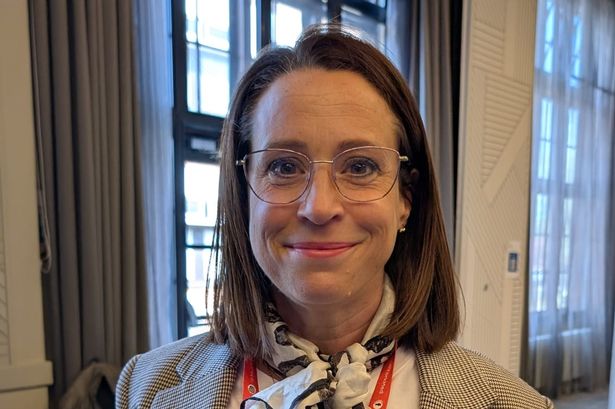
‘Breast cancer changed my life but with Yorkshire Cancer Research funding I hope my research will help change the lives of others’
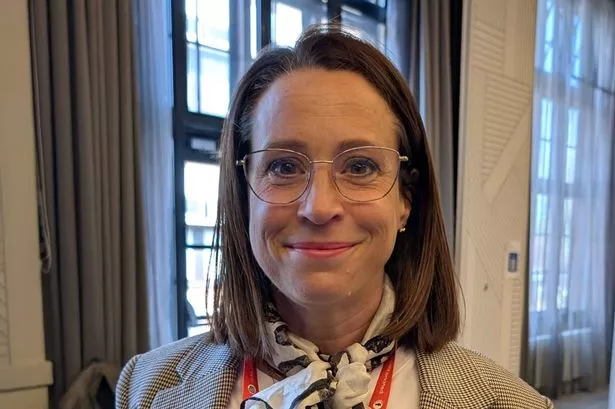
A Hull woman who battled breast cancer has told how she has used her own experience to shape her career and a mission to help other women. Mum-of-two Emily Lunn was 39 when she learned she had stage 3 breast cancer while studying for a degree in sociology and social policy at the University of Sheffield.
Reeling from the life-changing news, she started a full year of treatment very quickly – six rounds of chemotherapy followed by surgery, 30 sessions of radiotherapy and targeted cancer drugs. Yet she was also inspired her to write her university dissertation on young women’s experiences of breast cancer.
After graduating, she also extended her research, carrying out a PhD in cancer health inequalities in Yorkshire at Hull York Medical School. She has become one of the 750 researchers and cancer experts who work with Yorkshire Cancer Research to bring vital expertise and knowledge to the region.
Now Emily, 48, who was recently awarded the Postgraduate Researcher of the Year Award at the Hull York Medical School, has explained how she hopes to change the lives of others with her insightful research.
She said: “I just want to do what I can to help other people live better lives – and I thank Yorkshire Cancer Research for helping me do that.” It was April 2016 that Emily was told she had stage 3 breast cancer, after initially noticing discharge from her nipple and later discovering a new lumpy area in her breast.
She said: “It was like a train had hit me. So many questions raced through my mind. Am I going to lose my hair? Will there be lots of needles? Am I going to lose my identity? The shock of it all lasted throughout my treatment. All I could think was I needed to get through it for my two boys. My eldest was just nine at the time.
“When I was diagnosed, I decided I wanted to use my experience to shape my research and wrote my dissertation on young women’s experiences of breast cancer. I had an extra year to complete my studies but continued to go to university throughout my treatment. That time was a whirlwind. I also ran my first half marathon and did lots of charity fundraising. I tried to find positives wherever I could.”
“Every time on my way to radiotherapy at Weston Park Hospital, I passed the steps of the university’s watching people in their graduation caps and gowns. I made it my mission to finish treatment and stand on those steps.”
After finally getting to stand on the university steps in 2022 she was determined to continue her academic career in cancer research, using her experience to help make a difference for others. She joined the PhD in cancer health inequalities in Yorkshire, funded by Yorkshire Cancer Research at the Hull York Medical School.
The PhD formed part of Transform, a £5.2m programme of projects which aim to understand and address inequalities in cancer diagnosis and survival in Yorkshire and beyond. Her research was centred on breast cancer screening and the reasons why women in Yorkshire from different socioeconomic backgrounds do or don’t attend their breast screening appointments. She spoke to women in socioeconomic-disadvantaged areas in the county with low screening rates.
She said: “Doing well in my degree alongside treatment confirmed that cancer research was where I belonged. After treatment, I struggled with my mental health and fears of recurrence. I used coping strategies, like journaling my symptoms and reading breast cancer information.
“But I knew many people don’t have access to the same resources and support I did. That’s when I decided my next work should focus on addressing that. Through conversations in many communities, it quickly became clear that the challenges women face in attending breast screening is very complex. It’s never as simple as just deciding not to go.
“Everyday pressures including caring responsibilities, shift work and financial insecurity, often mean women feel they can’t take the time or risk losing income to attend appointments. Language and communication barriers were another major factor. NHS breast screening leaflets are available in 30 languages, but in my area alone, there are around 100 different languages spoken!”
Emily this month she submitted her PhD thesis and has presented her findings across the country. She hopes the findings will lead to changes in the way breast cancer screening is offered to women in Yorkshire.
Meanwhile, as she was carrying out this important research, two years ago, she was told she had a type of endometrial cancer. Thankfully, it was caught early, and she underwent a hysterectomy to reduce the risk of it coming back.
She is now working with cancer experts at the University of York to help develop new ways to prevent cancer and improve early diagnosis among gypsy, traveller and Roma communities in Yorkshire.
She said: “Breast cancer changed my life, but with Yorkshire Cancer Research funding, I hope my research will help change the lives of others. Throughout my breast cancer experience, I knew where to access information and had a strong support network around me. Many people in Yorkshire don’t. If I can help change that and reduce inequalities, then my job is done.
“Yorkshire’s rich culture and diversity is what makes this region so special but that doesn’t come without its challenges. Cancer research must happen here to understand our region’s unique needs.
“It certainly was a shock to be told I had another type of cancer. Life is filled with unexpected hurdles, but I’m living proof that advancements in research mean cancer doesn’t have to take everything from you.”
Get all the latest headlines sent straight to your inbox for free with our newsletter. You can stay up to date with all the breaking news and top stories as they happen in Hull and East Yorkshire by clicking this link