


North Sea cod in ‘grave danger of collapse’ International Council for Exploration of the Sea said
Conservationists have called for action to tackle collapsing fish stocks in the North Sea as scientists advise there should be “zero” fishing of cod next year.
The latest advice from the International Council for Exploration of the Sea (Ices) recommends “zero catch” quotas be set in 2026 for all cod stocks in the “Northern shelf” – an area covering the English Channel, North Sea up to Norway and the west of Scotland.
Cod in the southern region of the Northern shelf is in a particularly serious state, with 61% declines in the stock in the past decade, while the north-western region around Scotland has seen a 37% decline, and stocks in the Viking area off Norway have fallen 23% since 2015, data from Ices show.
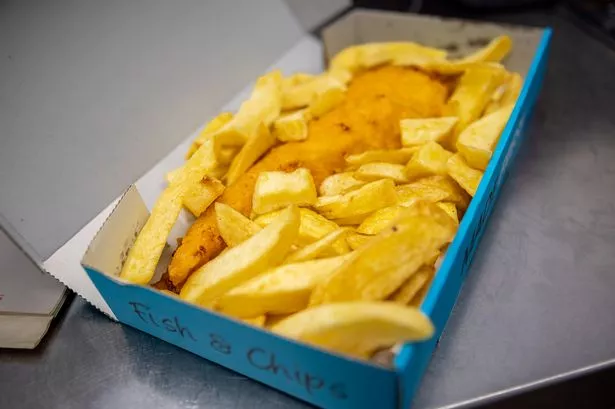
Ices gives advice on maximum catches that would allow fish stocks to continue to be fished sustainably. If the advice is followed there will serious lack of fish in chippies and potentially prices could rise even higher for the popular treat.
But fishing quotas for the North Sea are set annually in political negotiations between the EU and coastal countries in the region including the UK and Norway, with allowed catches frequently set above the levels in the scientific advice.
Hugo Tagholm, executive director of Oceana UK, said the science confirmed that North Sea cod was in “grave danger of collapse”, which he said the charity had warned about in a 2023 health-check of fish stocks.
He said: “Our warnings about multiple populations at risk were ignored, and since then we have had to watch helplessly as the UK Government sold out our seas and communities, allowing fishing pressure to build relentlessly as the largest industrial vessels squeezed out the small local boats.
“Coastal livelihoods are dependent on making the right choices now, and supporting fishers through that process.
“No-one wins if we continue to empty our seas, stock after stock will follow cod, and once collapsed these populations could take decades to recover.”
“Act now, and we can restore our seas to thriving health. We need a clear strategy to end overfishing once and for all, built on justice, and backed by fact,” he urged.
Jonny Hughes, conservation charity Blue Marine’s senior UK marine policy manager, said the scientific assessment from Ices showed that cod in the North Sea and the west of Scotland had joined populations in the Irish Sea and Celtic Sea as having collapsed.
He added: “The scientific assessments published today show that cod in the North Sea and to the west of Scotland join the populations in the Irish Sea and the Celtic Sea as having collapsed.”
He said that to receive zero catch advice a fish stock had to be in an “abysmal” state, but it was the second stock after haddock in the Celtic Sea “joining the ranks of collapsed stocks” this year.
“This is a direct result of decisions in previous years to prioritise short-term economic profit for a handful of largely wealthy fishing companies, at the expense of the environment and the long-term future of fishing communities.
“This collapse was not unforeseen – in fact, it was predictable and inevitable.
“It’s what happens when fisheries managers and politicians play Russian roulette with a fully loaded gun,” he warned.
Conservationists are also raising concerns about mackerel, advice on which is due at the end of the month, and calling for countries to follow scientific advice in this year’s negotiations to protect these stocks.